What Does "Good Food" Really Mean? A Guide to Eating Closer to Nature
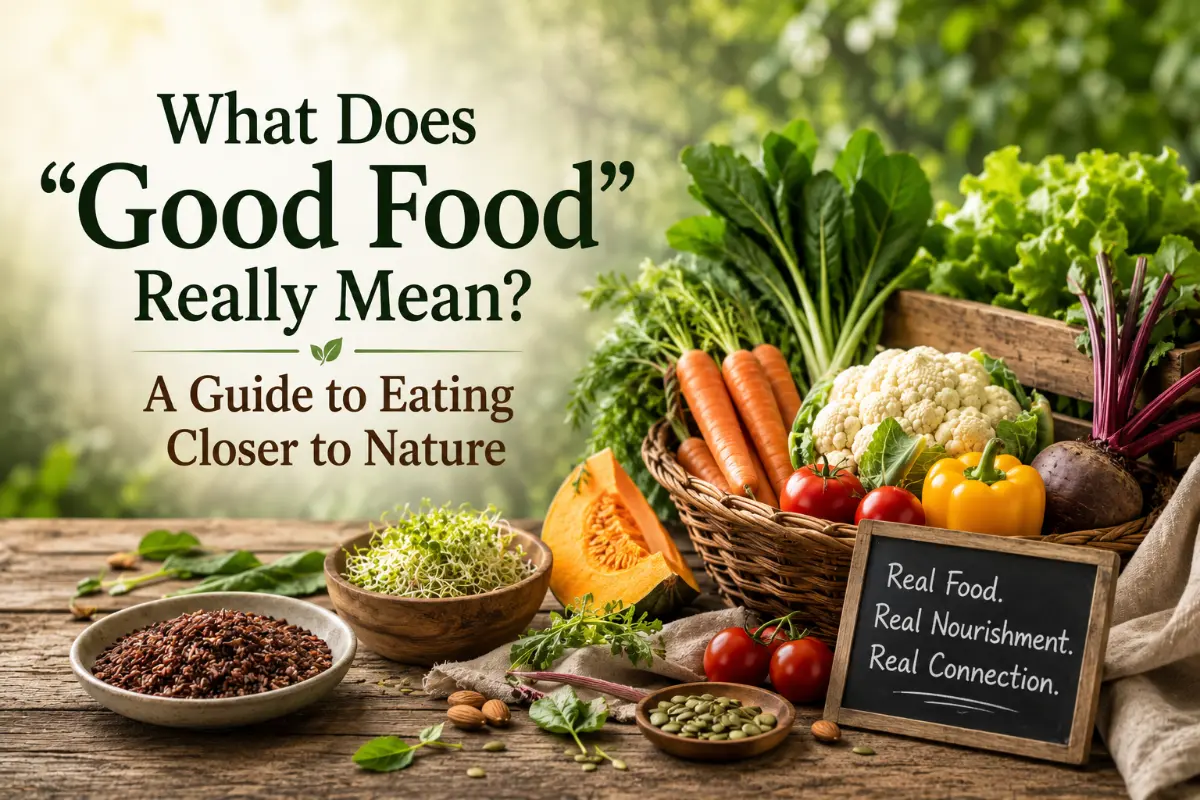
"Good food" gets used so often — on packaging, in ads, in casual conversation — that it's started to mean almost nothing. Organic, natural, healthy, farm-fresh: the words pile up, but few of us stop to ask what they're actually promising. If you strip away the marketing, good food usually comes down to a much simpler idea: food that's close to how nature made it, produced without unnecessary shortcuts, and grown by people who care about the outcome as much as the output.
It Starts With How Food Is Grown
Modern food systems are built for scale and speed — faster-growing crops, higher-yield animal breeds, feed additives, and processing that extends shelf life. None of this is inherently wrong; it's fed billions of people. But scale often comes at the cost of flavor, nutrient density, and the natural rhythms that once governed how food was produced. A tomato bred to survive shipping isn't optimized for taste. A hen bred to lay an egg every single day isn't living the way a farmyard hen once did.
Good food, by contrast, tends to follow slower, more traditional timelines — hens that lay a few eggs a week instead of one every day, coconuts that are pressed by mechanical force instead of chemical extraction, fruit that ripens on the tree instead of in a warehouse. These aren't romantic ideals; they're simply what food production looked like before industrial efficiency became the primary goal.
Fewer Ingredients, Fewer Interventions
One of the simplest tests for "good food" is reading what's actually in it — or, for whole foods like eggs, coconut, and fruit, understanding what wasn't done to it. Refined oils often go through bleaching, deodorizing, and chemical extraction. Some commercial eggs come from hens raised on formulated feed with additives for shell color and yolk pigmentation. None of this is necessarily harmful in isolation, but each step moves the food further from its original, natural state — and often further from its natural flavor too.
Traceability Matters More Than Labels
Terms like "natural" and "farm-fresh" aren't strictly regulated in most markets, which means they can appear on packaging regardless of how the food was actually produced. A more reliable signal is traceability — can the seller tell you which farm, which village, which season this food actually came from? Food you can trace back to a specific place and process is far more likely to be what it claims to be than food described only in marketing language.
Why It's Worth the Extra Effort
Eating this way usually costs more and takes more planning — naturally raised country eggs cost more than commercial ones, cold-pressed oil costs more than refined oil, seasonal fruit isn't available year-round. But the trade-off is real: better flavor, generally better nutrient density, support for smaller farmers instead of industrial supply chains, and food that hasn't been altered simply to survive longer on a shelf.
Our Approach at The Native Herd
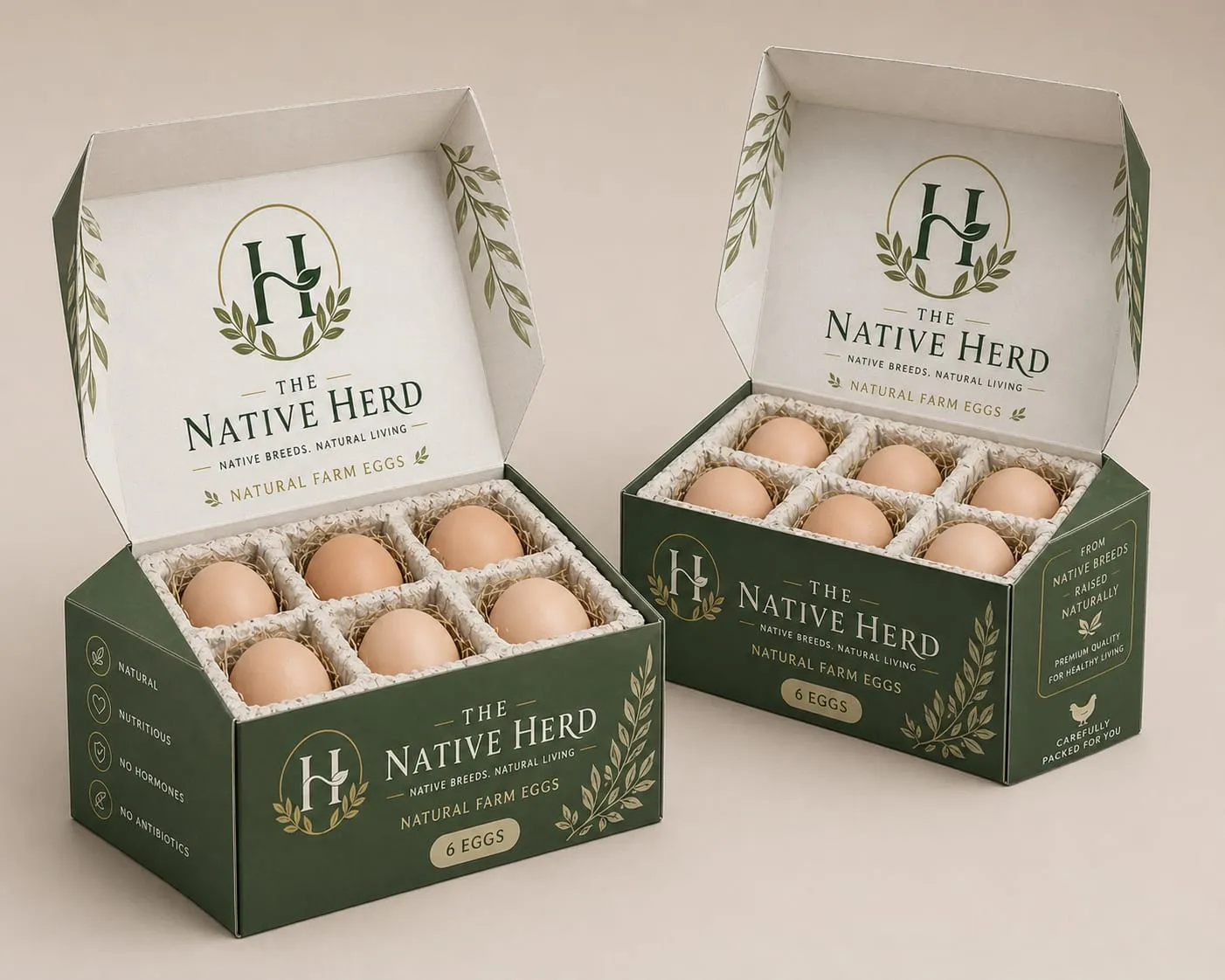
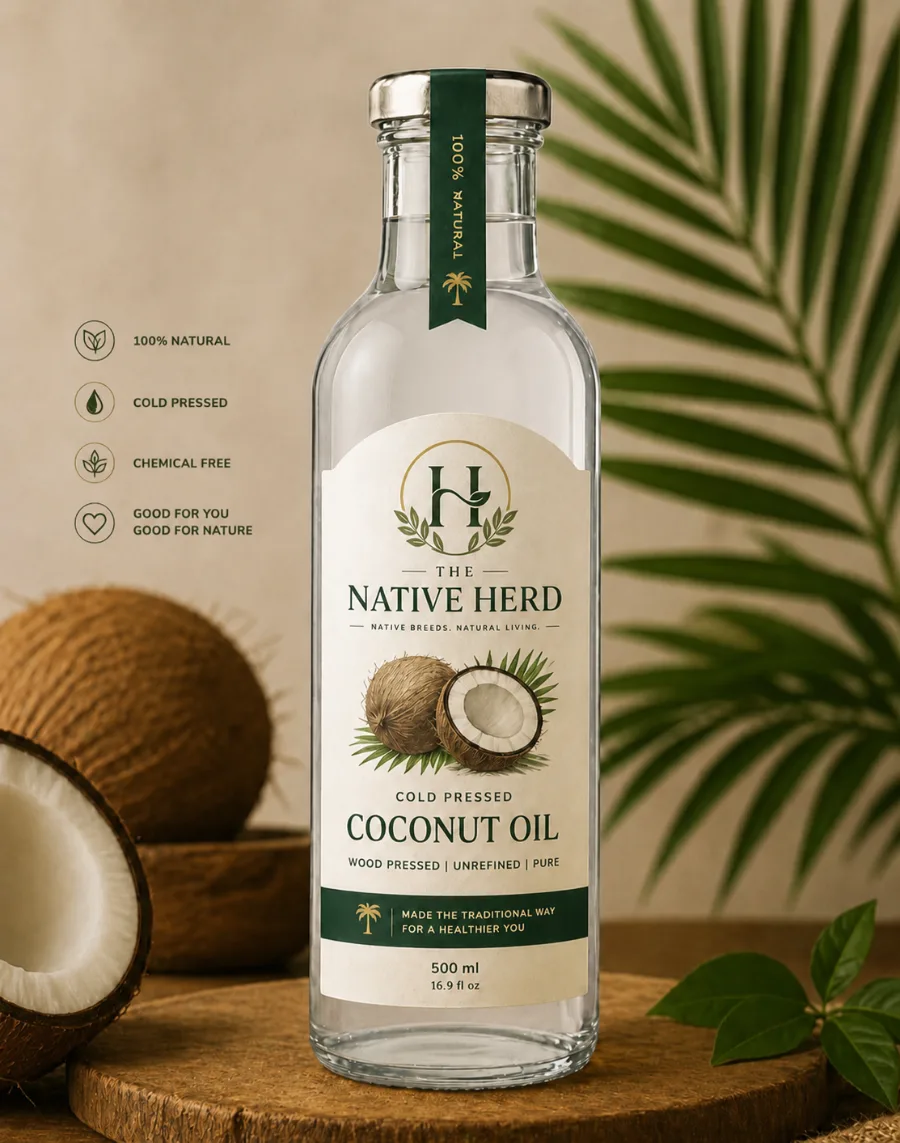
We built The Native Herd around this exact idea — sourcing country eggs, cold-pressed coconut oil, and seasonal produce directly from farms around Kunigal, without the shortcuts that industrial food production usually relies on. It isn't the fastest or cheapest way to eat. But it's honest, traceable, and exactly as nature intended — which, in the end, is really all "good food" ever meant.