How Much Protein Do You Really Need? A Simple Everyday Guide
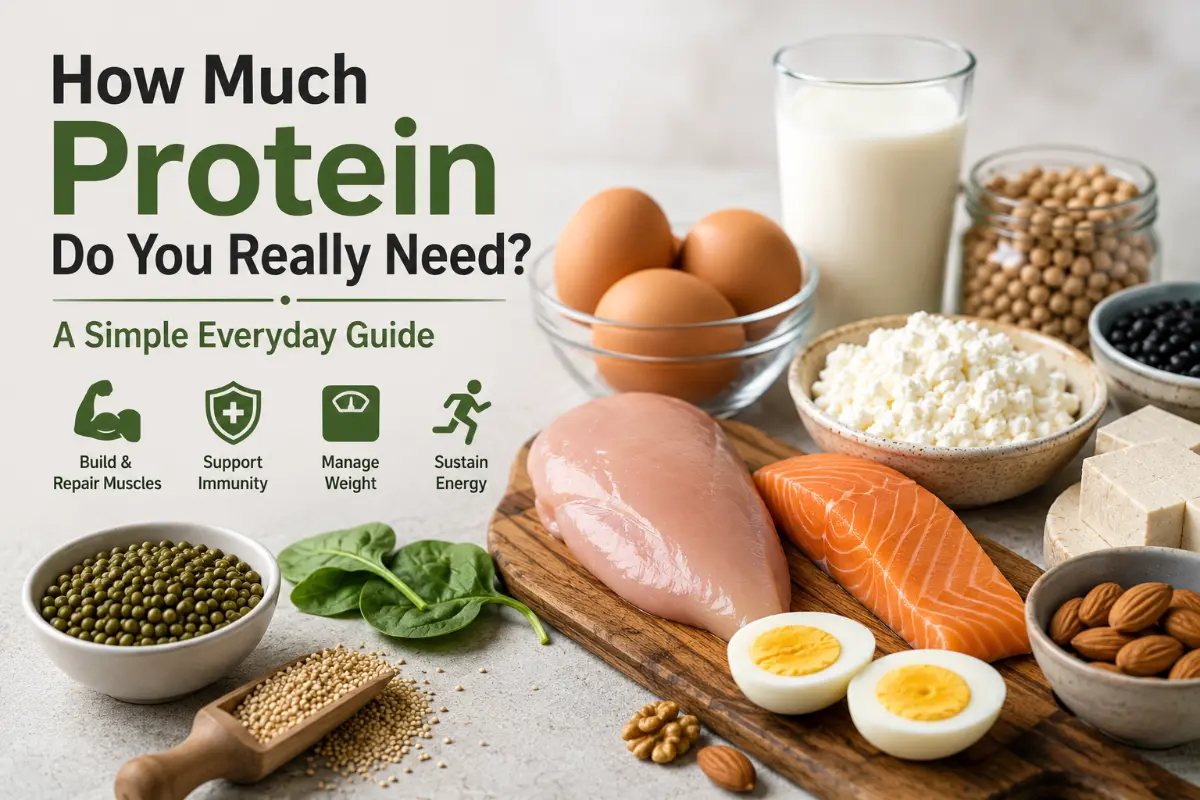
Protein has become one of the most talked-about nutrients in Indian households over the last few years — and for good reason. Multiple national surveys have found that a large share of Indian diets fall short of recommended protein intake, particularly among vegetarians and those relying heavily on cereal-based meals. But "how much protein do I actually need" is a question most people have never gotten a straight answer to.
The Basic Number
The commonly cited baseline recommendation for a sedentary adult is around 0.8 to 1 gram of protein per kilogram of body weight per day. For a person weighing 60kg, that works out to roughly 48-60 grams a day. However, this baseline is considered a minimum to avoid deficiency — not necessarily an amount to actively thrive on. People who are physically active, strength training, recovering from illness, older adults (who absorb protein less efficiently), or growing children typically need more, sometimes up to 1.2-1.6 grams per kilogram or higher.
Why Traditional Indian Diets Often Fall Short
A typical Indian thali leans heavily on rice, roti, and vegetables, with protein-rich foods like dal, curd, paneer, or eggs often served in smaller proportions relative to the carbohydrate portion. Plant proteins like lentils and legumes are valuable but generally have a lower protein density per gram than animal sources like eggs, meaning you need larger portions to hit the same protein number. This isn't a criticism of the cuisine — it's simply a gap worth being aware of, especially for anyone tracking their nutrition more closely.
Where Eggs Fit In
Eggs are one of the most efficient ways to close a protein gap. A single egg provides roughly 6 grams of high-quality, complete protein — meaning it contains all nine essential amino acids the body cannot produce on its own, in proportions the body uses efficiently. Two eggs at breakfast add about 12 grams of protein for very little effort or cost, making them one of the simplest additions to an otherwise carb-heavy morning meal.
Because eggs are also relatively low in calories relative to their protein content, they're a practical option whether the goal is muscle maintenance, weight management, or simply eating a more balanced plate without overhauling an entire diet.
Signs You Might Need More Protein
Common signals of inadequate protein intake include feeling hungry again shortly after meals, slower recovery from workouts or minor injuries, brittle hair and nails, and gradual loss of muscle tone, especially with age. None of these are exclusive to low protein intake, but they're worth paying attention to if your diet is carbohydrate-heavy and light on protein-dense foods.
A Simple Way to Think About It
Rather than obsessing over exact grams, a practical approach is to make sure some source of quality protein — eggs, dal, curd, paneer, or meat — appears at every meal rather than just one meal a day. Spreading intake across the day helps the body use protein more effectively for muscle repair than consuming it all at once in the evening.
Our Approach at The Native Herd
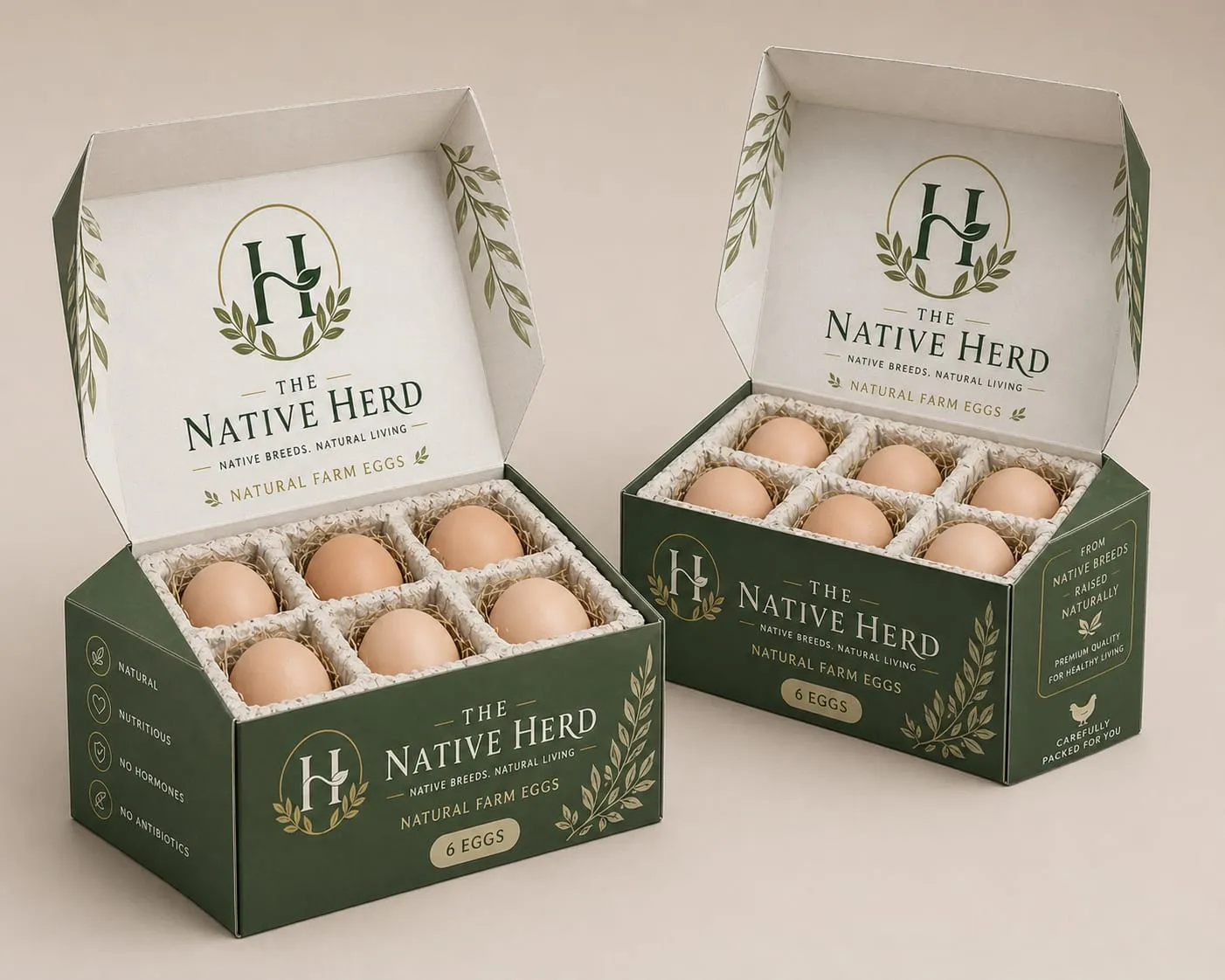
Our country eggs are a simple, natural way to add real protein to your day — no powders, no supplements, just an ingredient that's been part of Indian kitchens for generations. A pack of six on your counter is often all it takes to close the gap most diets are quietly running.